

Flip a fitted hat over and look at the bottom of the brim. That little patch of fabric, the underbrim or "UV," is one of the smallest design elements on the cap. It's also one of the most-changed details in the entire history of the 59FIFTY, and the way it's evolved tells you a lot about how baseball caps stopped being baseball caps and started being fashion objects.
Here's the rough timeline.
The Kelly green era (1934 to the late 1980s)
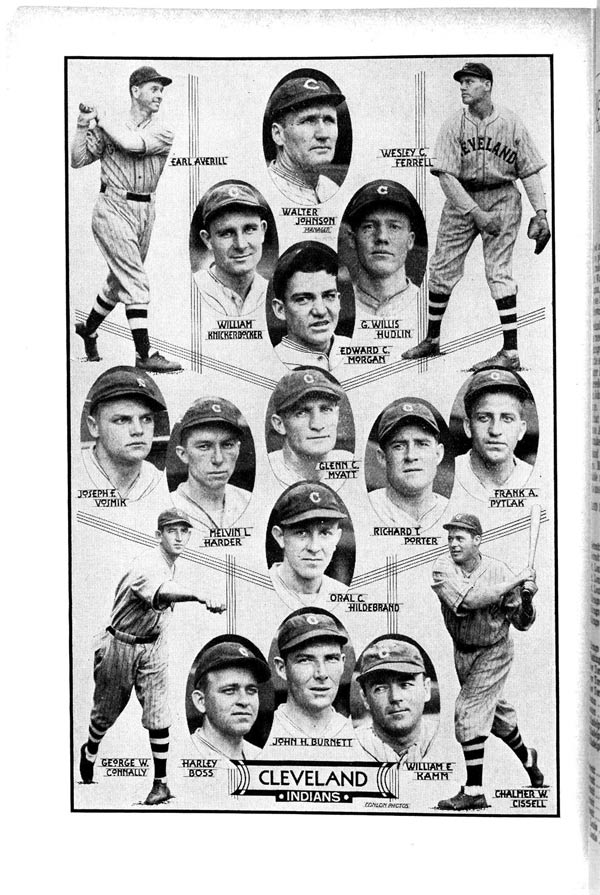
When New Era's wool predecessor to the 59FIFTY debuted at a 1934 Cleveland Indians game, the undervisor was Kelly green. So was nearly every undervisor in pro baseball for the next fifty years. The reason was functional, not aesthetic. New Era's own history notes that for decades, Kelly green was "long thought to be the best color to relieve stress on the eyes" because it was believed to reduce reflection of sunlight bouncing off the field. Whether that was scientifically rigorous or just received wisdom, the green underbrim became a near-universal standard. If you see a cap from any time before the 1990s, the bottom of the visor is almost certainly green.
The shift to gray (late 1980s to mid-1990s)
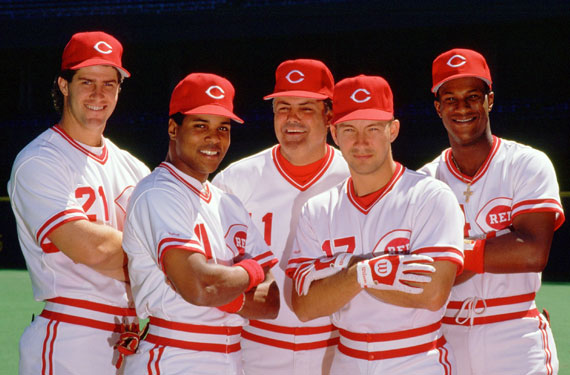
The Cincinnati Reds broke ranks first. They switched to a gray undervisor in 1990, and according to a fitted-hat history archive, they happened to win the World Series that same year, which helped popularize the change. Other teams followed quickly. The Yankees were holdouts, sticking with green through 1993 and not switching to gray until 1994. By 1995, every MLB team was on gray.
The reasoning, again, was about glare. New Era and the teams were experimenting with fabric that reduced sun reflection on player faces, and gray tested better than green. Most fans never noticed. Players did.
The 2007 jump to black
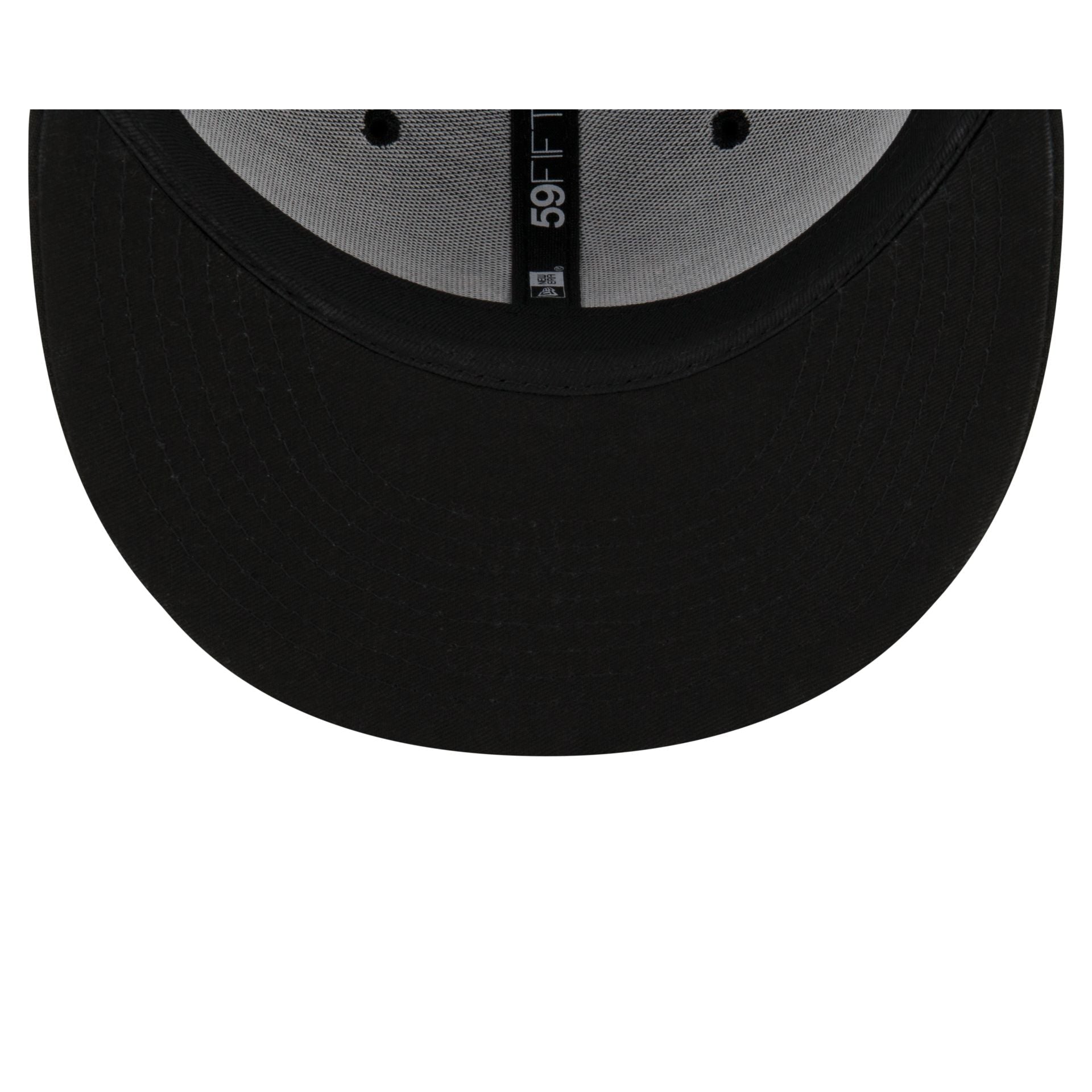
The next big shift happened in 2007, and it came with a bigger redesign. New Era changed the on-field 59FIFTY in three ways at once: the fabric switched from 100% wool to performance polyester, the white sweatband became black to make sweat stains less obvious, and the gray undervisor became black, again with the goal of reducing glare. The "black nasty" was born. It's a useful reminder that the undervisor color was a real piece of athletic engineering for most of the cap's history, not a styling choice.
If you bought a brand-new on-field 59FIFTY from any team between 2007 and roughly 2019, the bottom of the visor was almost certainly black. That was the universal default for over a decade.
The pink bottom revolution (October 2019)
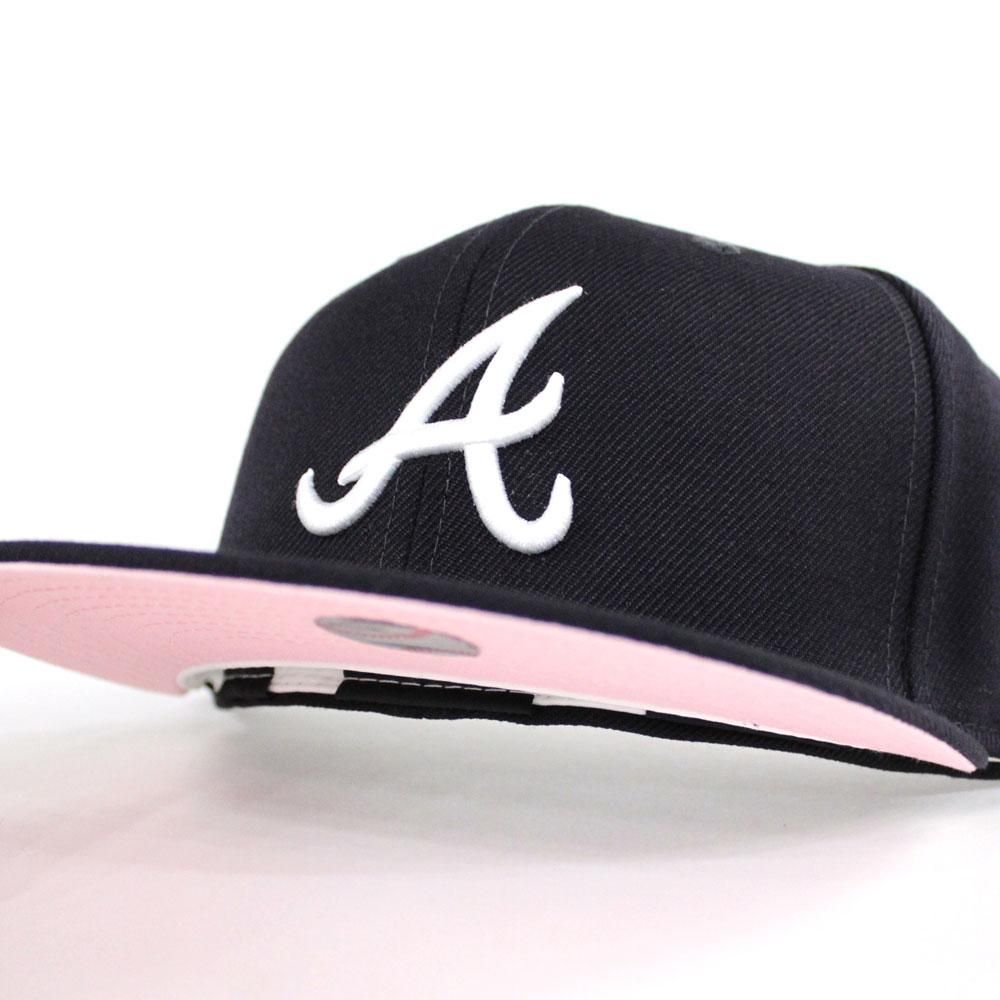
Then Hat Club happened. The custom-cap shop based in Arizona had been doing limited drops and special makeups for years, but the modern pink undervisor era has a specific date: Halloween 2019. According to Complex's deep-dive on the custom fitted scene, Hat Club's NoHo store released a full pink bottom collection to the public in October 2019, and despite initial skepticism that pink underbrims would actually sell, the drop pulled around a hundred people in line outside the store. That was the moment Hat Club realized colored UVs could be a category, not just a one-off.
For the record, pink wasn't technically new. A 2021 retrospective on the San Diego cap collectors blog sdhatcollectors traces the lineage back further, noting that Hat Club had released a 1996 New York Yankees cap with a pink underbrim that planted the original seed. But the 2019 Halloween drop is what turned a quirky historical detail into a movement. Within a year, Hat Club launched the "Pink Lemonade" collection with yellow crowns and pink UVs across every MLB team, and the terms "pinkies" (pink UV) and "icies" (light blue UV) entered the standard cap-collector vocabulary.
The fan-out into every color
Once one custom retailer proved that buyers cared about the underside of the brim, the floodgates opened. Today, Hat Club's Pink Bottom collection is a permanent fixture on the site, and the company runs an annual "Pink Bottom Month." But pink is just the start. Walk through the current 59FIFTY ecosystem and you'll find caps with Kelly green UVs (a deliberate throwback to the 1934 era, like Paper Planes' Original Crown fitted), classic gray UVs sold as "Cooperstown Collection" heritage pieces on the MLB Shop, hot orange UVs, royal blue UVs, sky blue ("icies"), red velvet, realtree, and just about every other color you can imagine.
What used to be one of three functional colors (green, gray, black) is now a free-floating design canvas. New Era and its custom-shop partners use the underbrim the same way a sneaker brand uses an insole or a watch brand uses a caseback: a small, hidden detail that rewards close looks and signals you know what you're looking at.
Why it matters
The undervisor's evolution is a small version of what happened to the 59FIFTY itself. For most of the cap's history, every design decision was about player function: glare reduction, sweat management, structural integrity. Then somewhere around 2019, a single retailer's Halloween experiment proved that customers cared about the cap as an object of design, not just as team merch. That shift, from function to fashion, is the same story driving the side-patch boom, the premium fabric boom, and the pricing fan-out we covered last time. The pink bottom is just where you can see it most clearly.
Next time you flip a cap over, the color underneath tells you roughly what era the design is paying tribute to. Green is heritage. Gray is mid-century classic. Black is the on-field standard. Pink was a fashion hail mary. Now you can have any color or design imaginable. Until next analysis!
- Hatlock